When I sit down to talk about poker heads up strategy with a regional NSW club operator, the conversation always lands on discipline rather than luck. I have spent years reviewing supplier products and commercial terms across Independent Gaming Pty Ltd, and the same principle applies on the felt. A player who treats a two-handed match like a full-ring cash game will bleed chips before the arvo tea break. This article walks through how a player actually encounters and uses a focused heads-up approach, from the first hand through to the decisions that matter most at the table.
Building A Practical One-On-One Edge
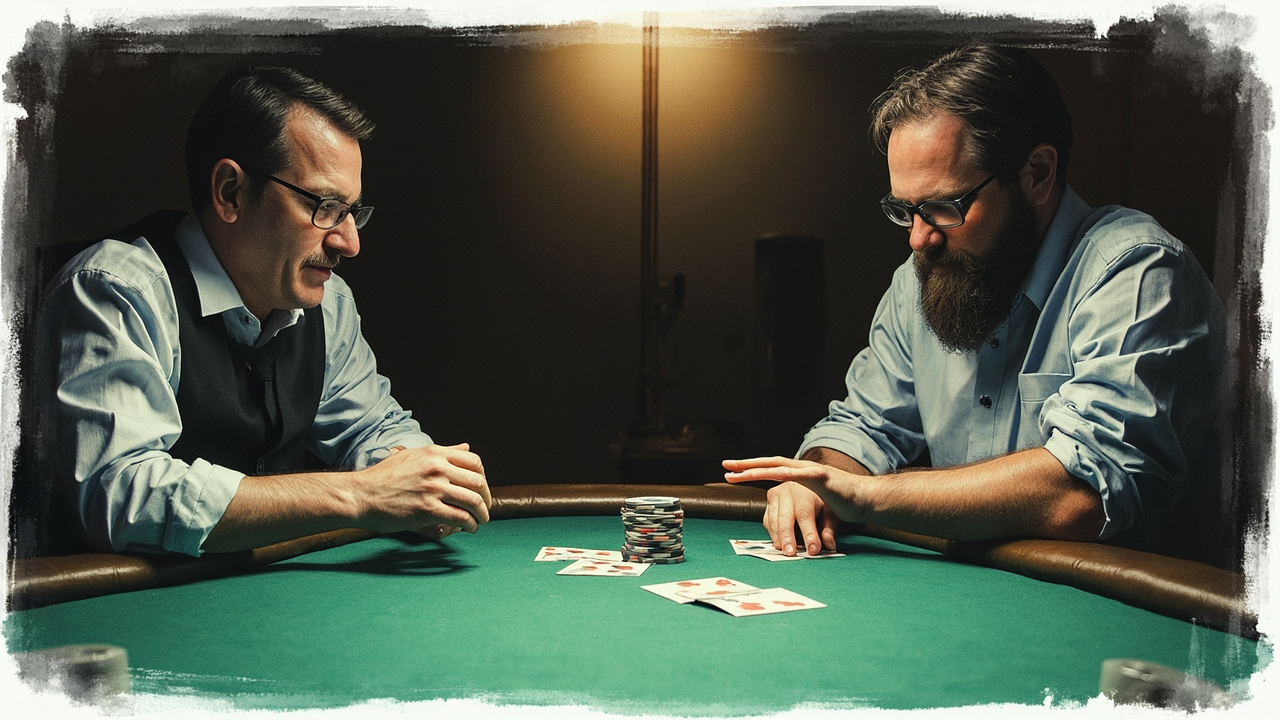
A proper poker heads up strategy starts with position awareness, because every orbit in a two-handed match magnifies who acts last. In a regional New South Wales card room I watched a steady local player tighten his opening ranges from the dealer seat and widen them only when he held the button, and his stack stopped swinging wildly by the third session. The core offer here is not a secret system but a repeatable way to size bets, read timing tells, and keep variance within a budget you can actually afford. Two or three traits separate a usable approach from a notebook full of theory: a clear button-versus-big-blind plan, a disciplined check-raise frequency, and a hard stop on tilt after bad beats. Everyday usability matters more than complexity, because a plan you can execute after a long shift at the depot beats a perfect model you abandon after one bad run. Overall fit comes down to whether the player can stick to ranges and bet sizes without second-guessing every street.
| Element | What It Looks Like In Practice |
|---|---|
| Position plan | Wider button ranges, tighter big-blind defence |
| Bet sizing | Consistent small-to-medium value bets, larger bluffs only with range advantage |
| Tell reading | Timing patterns and bet-sizing consistency over dramatic gestures |
| Bankroll rule | Session stop-loss set before the first hand |
How A Player Encounters And Uses The Approach
Reading The First Few Hands
When a player first sits down, the most useful habit is to treat the opening twenty minutes as data gathering rather than a profit chase. I once spoke with a club manager in regional New South Wales who kept a simple log of how often a regular opponent fired two consecutive barrels on a two-pair board, and that single note changed how the whole room played the river. A focused poker heads up strategy asks you to note three things immediately: how often the opponent raises from each position, whether they continuation-bet thinly on dry boards, and how they react when checked to. Those observations feed directly into your own range construction, because a player who never folds the big blind to steals needs a tighter value line and fewer hero calls. The everyday usability comes from writing down one or two tendencies per session and adjusting only one part of your own game at a time, rather than rewriting everything after a single bad beat.
Adjusting Through The Session
As the stack depths shift and the blinds climb, the same approach has to flex without losing its shape. A supplier product review I signed off on for a tournament scheduler reminded me that commercial oversight is mostly about watching the metrics that actually move, and heads-up play works the same way: track fold equity, average pot size, and how often you are getting raised after c-betting. If an opponent starts defending wider, the adjustment is not to bluff more blindly but to value-bet thinner and let their aggression buy the pots. If they tighten up, you can raise more lightly from the button and keep the pressure on their blind defence. A short, usable checklist keeps the session grounded: review your own leak after each hour, cap your bluff frequency when the board runs dry, and step away once the stop-loss is hit rather than hoping the next orbit fixes the swing.
Matching The Approach To Player Needs
The right poker heads up strategy fits the player who wants a clear, repeatable way to handle two-handed pressure without turning every session into a guessing game. A player who prefers structured decision-making will find the range-based planning and consistent bet sizing more usable than a loose, feel-based style, while a player who chases action will need to accept that discipline beats improvisation over time. The approach suits someone who can commit to a small set of adjustments, review them honestly, and keep the bankroll rules in front of them before the cards are dealt. It is less suited to anyone looking for a quick fix or a way to force outcomes that the cards and the opponent’s range simply do not support. For a regional New South Wales player balancing work, family, and a couple of focused sessions a week, the value is in keeping the game manageable and the decisions consistent. Poker Heads-Up Strategy For Smarter One-On-One
Verdict
A focused poker heads up strategy gives a player a workable framework for two-handed play, built on position, range discipline, and honest session review rather than on hope or dramatic hero calls. The approach rewards players who can stick to a small set of adjustments, track what actually happens at the table, and walk away when the numbers say to. It is a practical way to handle one-on-one pressure, provided the player treats it as a structured habit instead of a shortcut to any guaranteed result.
For operators and players who want a cleaner view of how automation and process discipline can support commercial oversight, https://xinspeedautomation.com/ offers a useful reference point. Anyone wanting a broader look at the same one-on-one decision theme can read a related article on Poker heads-up strategy for smarter one-on-one decisions.